Why Tall and Curvy Sizing Gets Overlooked Twice Over
Quick Answer: Tall and curvy sizing gets ignored twice over — most ‘tall’ lines assume a straight body, most ‘curvy’ lines assume average height. A genuinely wide size range paired with multiple inseam lengths (up to 37”) is what actually covers this combination.
Being tall and curvy means most sizing advice doesn’t quite apply — tall guides assume a straight frame, curvy guides assume average height, and neither accounts for both at once.
Why does this combination get overlooked by sizing?
Most sizing systems optimize for one variable at a time — height, or size, rarely both together. During everyday fit, that means the one-variable fixes (just going up a size, or just finding a ‘tall’ label) usually only solve half the actual problem.
What actually solves this specific combination?
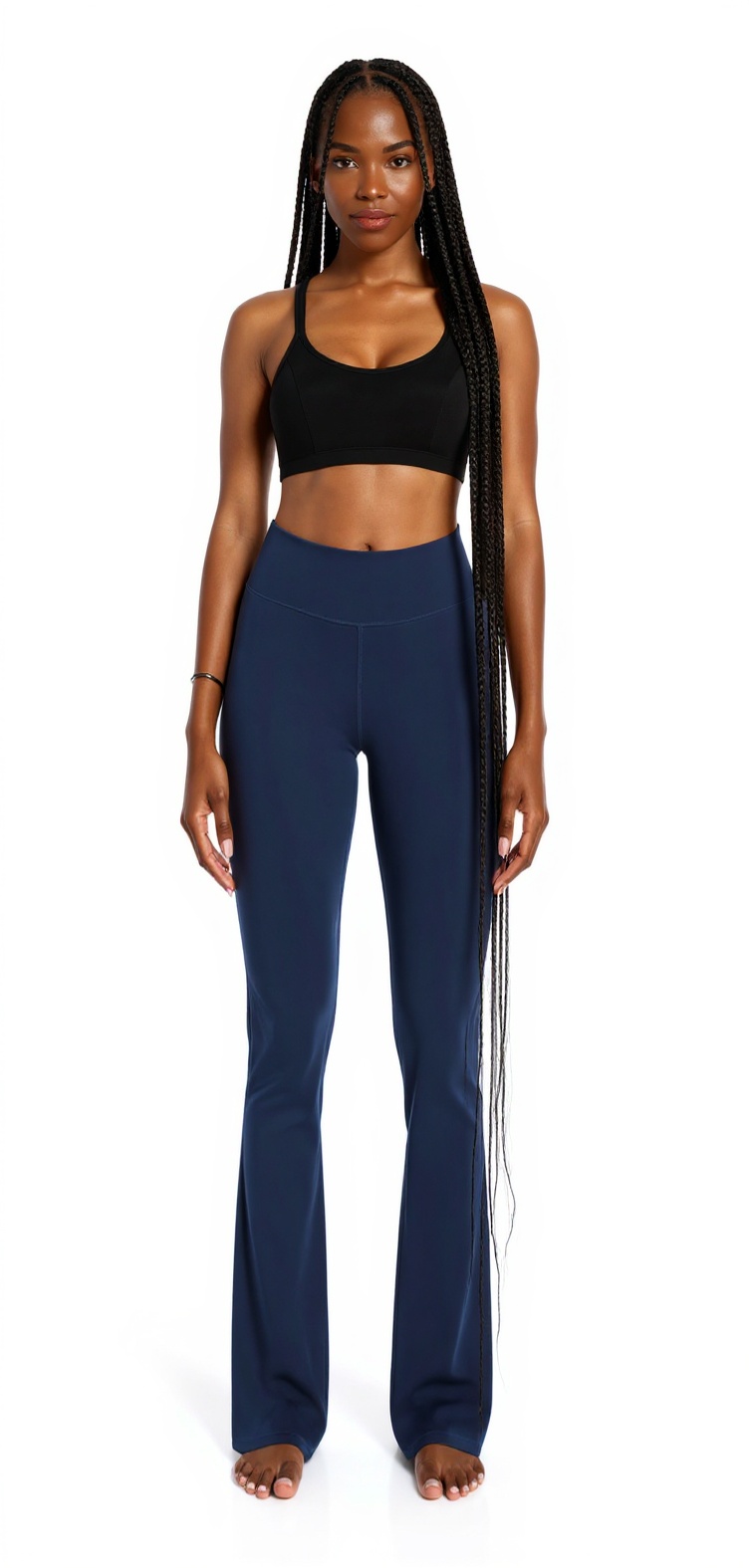
Look for a style that solves both variables at once — genuine inseam length options and a wide size range in the same line, like the High Waist Bootcut Yoga Pants with Back Pockets, rather than treating them as two separate shopping problems.
Does this apply the same way regardless of the other variable?
Mostly yes — once the base fit is right for both variables, the same styling principles (high waist, flared hem, one consistent color line) apply the same way they would for either factor alone.
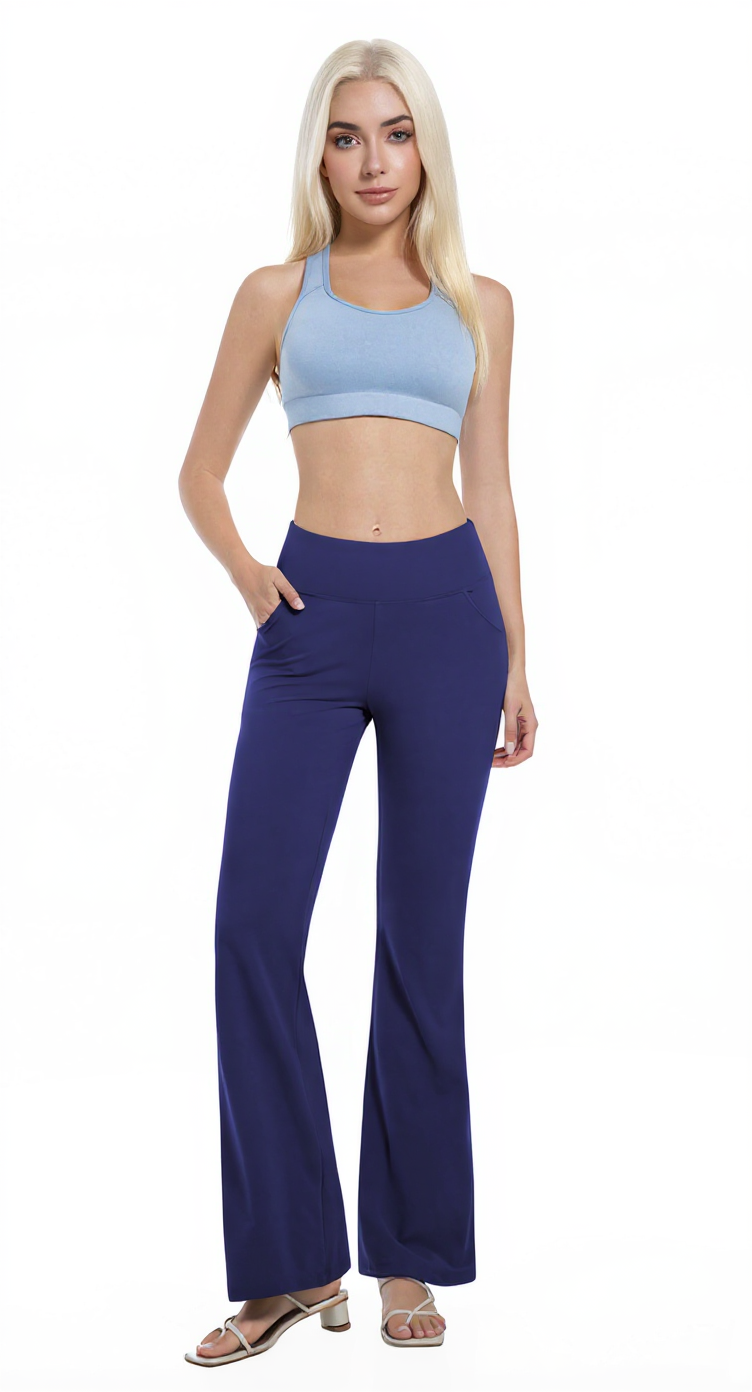
In practice, most people solving for two variables at once end up compromising on one without realizing they didn’t have to — settling for ‘close enough’ on length because the size fit, or the reverse. The two problems are genuinely separable once you’re shopping with both in mind.
What Nobody Tells You About This
Sizing up doesn’t fix a length or fit problem — it just changes the width. The two variables (length, size range) need to be solved independently; a bigger size in the wrong length or pattern grade is still the wrong fit.
Reviews mentioning multi-hour wear are worth more than first-impression reviews. Fit problems — riding up, digging in, losing shape — usually show up after an hour or more, not in a dressing room try-on.
A brand that solves this well usually says so specifically. Vague marketing language (‘inclusive fit’, ‘flattering for everyone’) is worth less than an actual size chart in inches or a stated inseam range.
How do I combine both factors when I’m shopping?
Start with whichever variable is harder to solve for you — length or size — find a brand that covers that well, then check the second variable within that same size range before assuming you’ll need to compromise on one to get the other.
FAQ: Questions, Answered
Q: Should I prioritize length or size range when shopping? Whichever is harder for you to find elsewhere — then check if that same brand also covers the second variable, since a genuinely well-built line usually does both.
Q: Do these fit principles apply the same way at any age? Yes — proportion and length principles don’t change with age, though comfort priorities (waistband softness, fabric weight) often do.
Q: Is it worth ordering two options to compare? Yes, especially the first time with a new brand — comparing two lengths or two sizes side by side is a normal way to dial in fit, not excessive.
Q: Does one variable ever make the other harder to solve? Not usually, since length and size range are set independently in a well-built line — the main risk is a brand that only solved for one of the two, which shows up quickly in reviews.
TL;DR:
- This combination gets overlooked because most sizing solves for one variable at a time
- Look for a brand that genuinely covers both length and size range in the same line
- Prioritize whichever variable is harder for you to solve elsewhere
- Comparing two options side by side is a normal way to dial in fit
Whatever the specific fit challenge, the right piece solves it by design, not by compromise.
Keep Reading
This article is for general informational and styling purposes only. Fit, sizing, and product availability may vary.